
Single Layer vs Double Layer PCB: Which One Should You Choose?
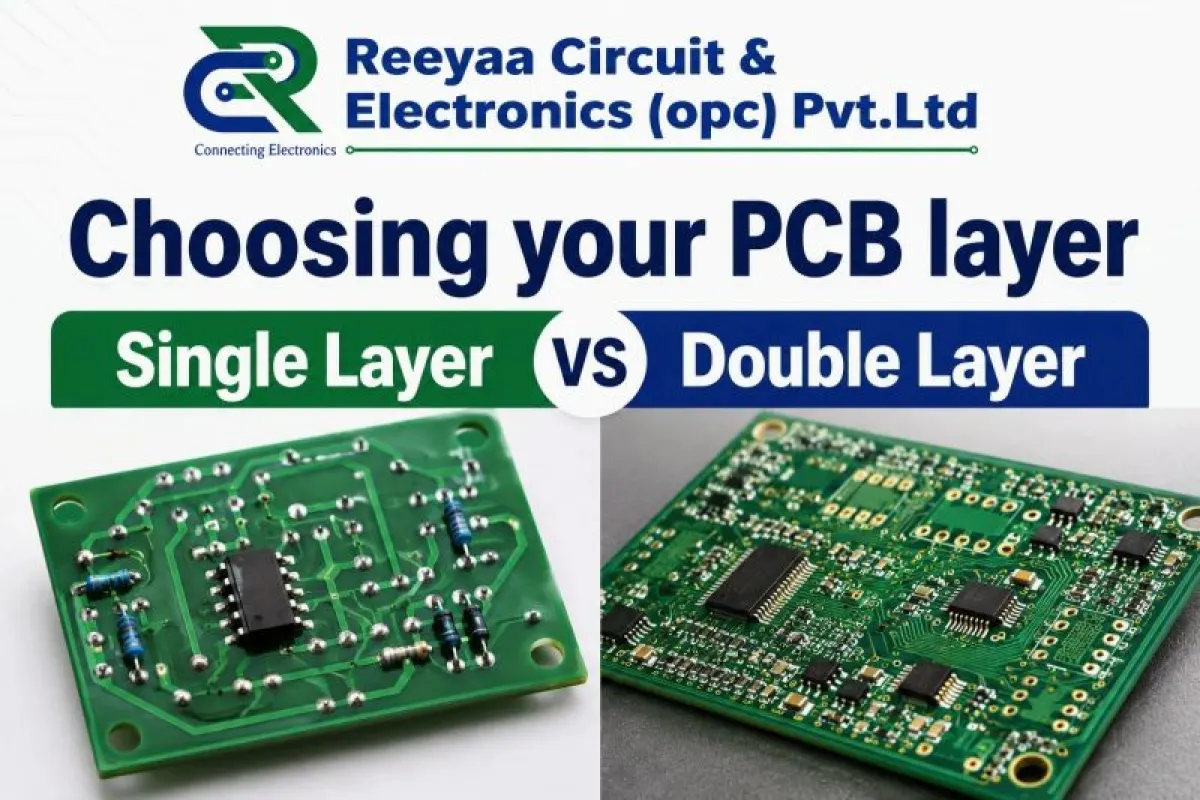
𝗦𝗶𝗻𝗴𝗹𝗲 𝗟𝗮𝘆𝗲𝗿 𝘃𝘀. 𝗗𝗼𝘂𝗯𝗹𝗲 𝗟𝗮𝘆𝗲𝗿 𝗣𝗖𝗕 – 𝗪𝗵𝗲𝗻 𝗦𝗵𝗼𝘂𝗹𝗱 𝗬𝗼𝘂 𝗨𝘀𝗲 𝗘𝗮𝗰𝗵?
When designing your next electronic product, picking the right board architecture can be a tough choice.
Ultimately, the 𝗱𝗲𝗰𝗶𝘀𝗶𝗼𝗻 𝗰𝗼𝗺𝗲𝘀 𝗱𝗼𝘄𝗻 𝘁𝗼 𝗯𝗮𝗹𝗮𝗻𝗰𝗶𝗻𝗴 𝘆𝗼𝘂𝗿 𝗯𝘂𝗱𝗴𝗲𝘁, 𝘆𝗼𝘂𝗿 𝗮𝘃𝗮𝗶𝗹𝗮𝗯𝗹𝗲 𝘀𝗽𝗮𝗰𝗲, 𝗮𝗻𝗱 𝘁𝗵𝗲 𝗰𝗼𝗺𝗽𝗹𝗲𝘅𝗶𝘁𝘆 of your circuit.
Here is a quick guide to help you decide:
𝗦𝗶𝗻𝗴𝗹𝗲 𝗟𝗮𝘆𝗲𝗿 𝗣𝗖𝗕𝘀
The Basics: Components and traces sit on one side only.
Best For: Simple, low-density circuits.
The Advantage: They are highly cost-effective and faster to produce.
Common Uses: Power supplies, LED boards, and simple relays.
𝗗𝗼𝘂𝗯𝗹𝗲 𝗟𝗮𝘆𝗲𝗿 𝗣𝗖𝗕𝘀
The Basics: Traces run on both sides, which allows for much smaller board sizes.
Best For: Moderate to high complexity designs.
The Advantage: While they have a slightly higher cost, they maximize your space efficiency.
Common Uses: Automotive dashboards, medical devices, and communication tools.
Whether your design calls for a straightforward Single Side board or a dense Double Side PCB, 𝘆𝗼𝘂 𝗻𝗲𝗲𝗱 𝗮 𝗺𝗮𝗻𝘂𝗳𝗮𝗰𝘁𝘂𝗿𝗶𝗻𝗴 𝗽𝗮𝗿𝘁𝗻𝗲𝗿 𝘆𝗼𝘂 𝗰𝗮𝗻 𝘁𝗿𝘂𝘀𝘁.
At 𝗥𝗲𝗲𝘆𝗮𝗮 𝗖𝗶𝗿𝗰𝘂𝗶𝘁, 𝘄𝗲 𝗺𝗮𝗻𝘂𝗳𝗮𝗰𝘁𝘂𝗿𝗲 𝗯𝗼𝘁𝗵 right here at our facility in Gandhinagar, Gujarat.
We are an ISO 9001:2015 registered company with over 18 years of industry experience. To guarantee your boards work flawlessly, we provide FPT (Flying Probe Test) for reliable electrical testing.
Need to move fast? We can handle urgent sample fabrication in just 24 hours.
When you send your files to us, you can trust that your project is in capable hands.
Related Articles

Choosing the Right PCB Copper Weight: 1 oz vs 2 oz vs 3 oz
Learn the differences between 1 oz, 2 oz, and 3 oz PCB copper weights, including copper thickness, current-carrying capacity, trace width, and applications. Discover how to select the right copper weight for digital circuits, power supplies, motor controllers, and EV electronics.

PCB Manufacturing Process: From Gerber Files to Final Delivery
Discover how a PCB moves from Gerber file submission to final delivery. Learn about design rule checks, CAM engineering review, panelization, fabrication, electrical testing, and common causes of production delays.
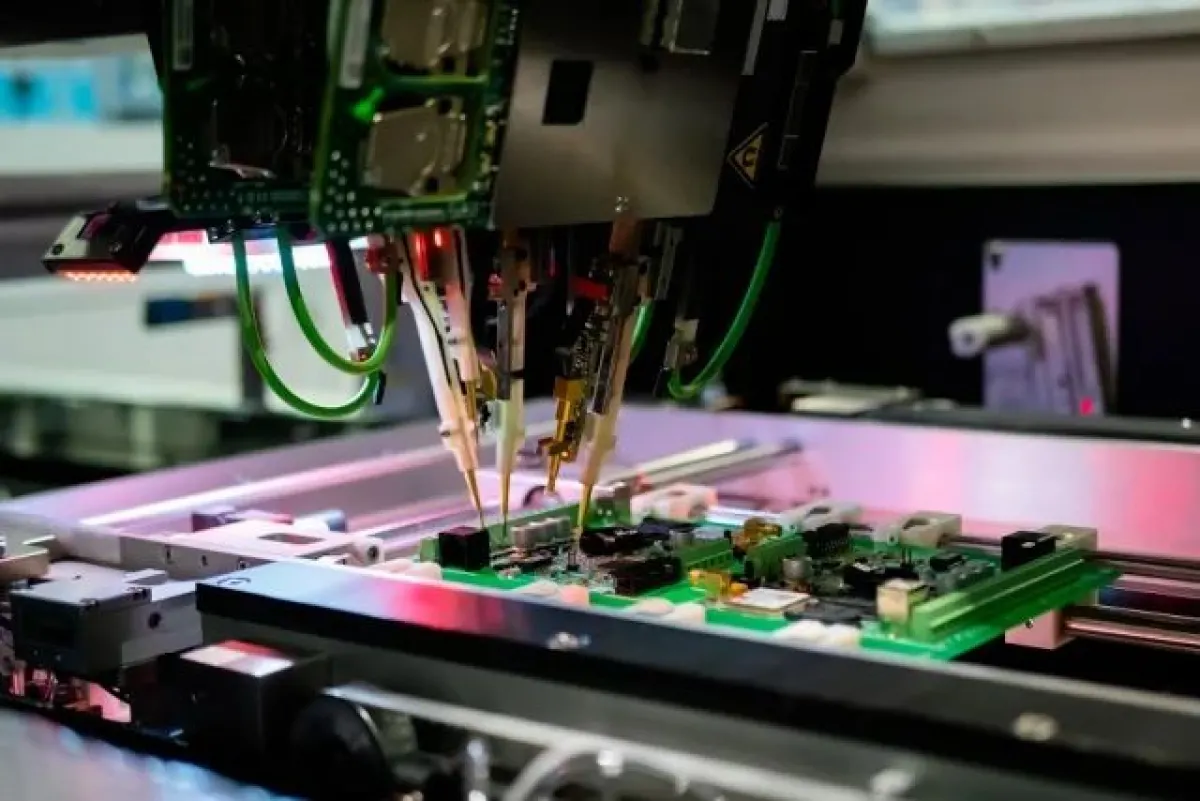
Flying Probe Testing (FPT): Ensuring PCB Quality at Reeyaa Circuit
Discover how Reeyaa Circuit uses Flying Probe Testing (FPT) to detect electrical opens and shorts in bare PCBs. Reliable electrical testing helps ensure PCB quality before component assembly.