
Flying Probe Testing (FPT): Ensuring PCB Quality at Reeyaa Circuit
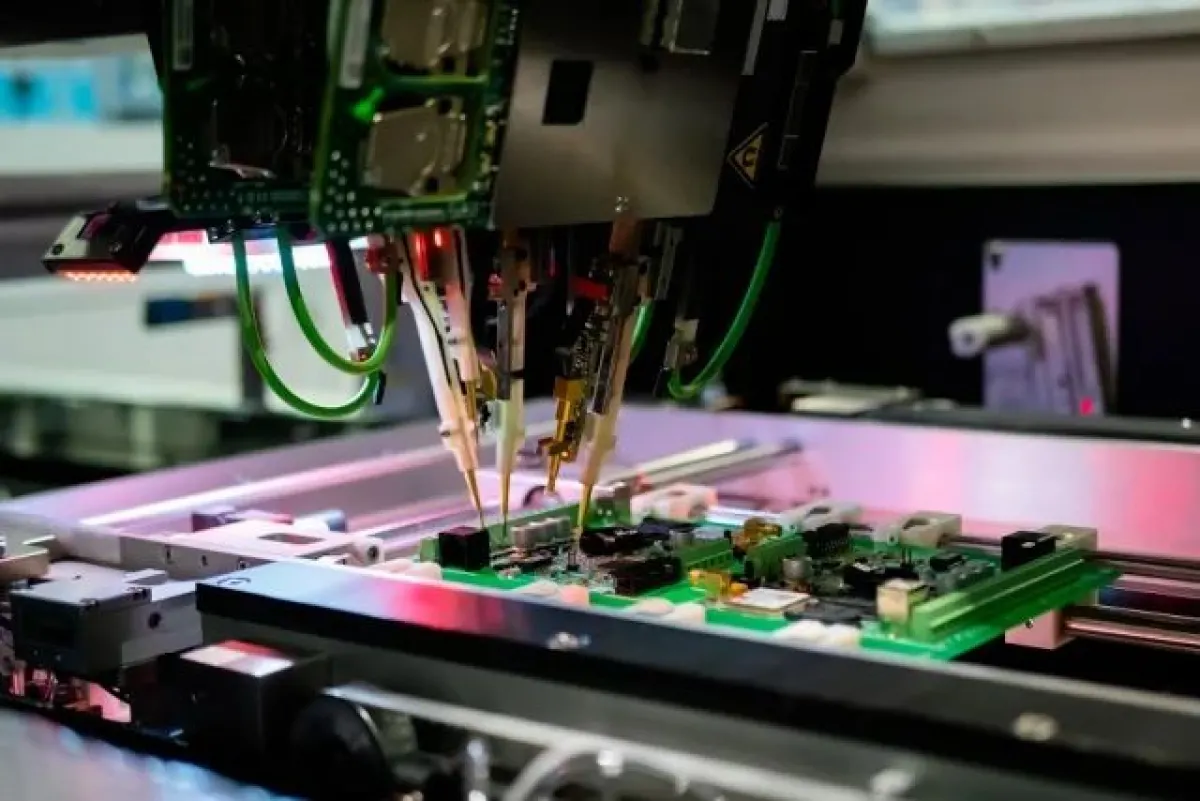
𝗕𝗲𝗳𝗼𝗿𝗲 𝘆𝗼𝘂 𝘀𝗼𝗹𝗱𝗲𝗿 𝘆𝗼𝘂𝗿 𝗳𝗶𝗿𝘀𝘁 𝗰𝗼𝗺𝗽𝗼𝗻𝗲𝗻𝘁, 𝗮𝗿𝗲 𝘆𝗼𝘂 𝟭𝟬𝟬% 𝘀𝘂𝗿𝗲 𝘁𝗵𝗲 𝗯𝗮𝗿𝗲 𝗣𝗖𝗕 𝗶𝘀 𝗳𝗹𝗮𝘄𝗹𝗲𝘀𝘀?
You spend hours perfecting your electronic designs. We spend the time making sure they actually work. There is nothing more frustrating than discovering a 𝗵𝗶𝗱𝗱𝗲𝗻 𝘀𝗵𝗼𝗿𝘁 𝗼𝗿 𝗼𝗽𝗲𝗻 𝗰𝗶𝗿𝗰𝘂𝗶𝘁 𝗶𝗻 𝗮 𝗳𝗿𝗲𝘀𝗵𝗹𝘆 𝗺𝗮𝗻𝘂𝗳𝗮𝗰𝘁𝘂𝗿𝗲𝗱 𝗯𝗼𝗮𝗿𝗱.
At 𝗥𝗲𝗲𝘆𝗮𝗮 𝗖𝗶𝗿𝗰𝘂𝗶𝘁, we eliminate that risk. We electrically 𝘁𝗲𝘀𝘁 𝗲𝘃𝗲𝗿𝘆 𝘀𝗶𝗻𝗴𝗹𝗲 𝗣𝗖𝗕 that leaves our Gandhinagar facility —whether you order a single prototype or a bulk production run.
We use advanced Flying Probe Testing (FPT) for reliable electrical testing. Instead of relying on manual checks, 𝗼𝘂𝗿 𝗶𝗻-𝗵𝗼𝘂𝘀𝗲 𝗿𝗼𝗯𝗼𝘁𝗶𝗰 𝗽𝗿𝗼𝗯𝗲𝘀 𝗳𝗹𝘆 across your board at incredible speeds to verify:
𝗢𝗽𝗲𝗻𝘀 𝗮𝗻𝗱 𝗦𝗵𝗼𝗿𝘁𝘀: Ensuring traces connect exactly where they should.
𝗥𝗲𝘀𝗶𝘀𝘁𝗮𝗻𝗰𝗲 & 𝗖𝗮𝗽𝗮𝗰𝗶𝘁𝗮𝗻𝗰𝗲: Verifying the electrical integrity of every layer.
𝗣𝗿𝗲𝗰𝗶𝘀𝗶𝗼𝗻 𝗔𝗰𝗰𝘂𝗿𝗮𝗰𝘆: Catching microscopic issues on high-density interconnects (HDI).
We keep this state-of-the-art testing in-house to maintain quality without slowing your lead times.
Ready to manufacture a board you can actually trust? Order your PCB Now!
Related Articles
Choosing the Right PCB Copper Weight: 1 oz vs 2 oz vs 3 oz
Learn the differences between 1 oz, 2 oz, and 3 oz PCB copper weights, including copper thickness, current-carrying capacity, trace width, and applications. Discover how to select the right copper weight for digital circuits, power supplies, motor controllers, and EV electronics.
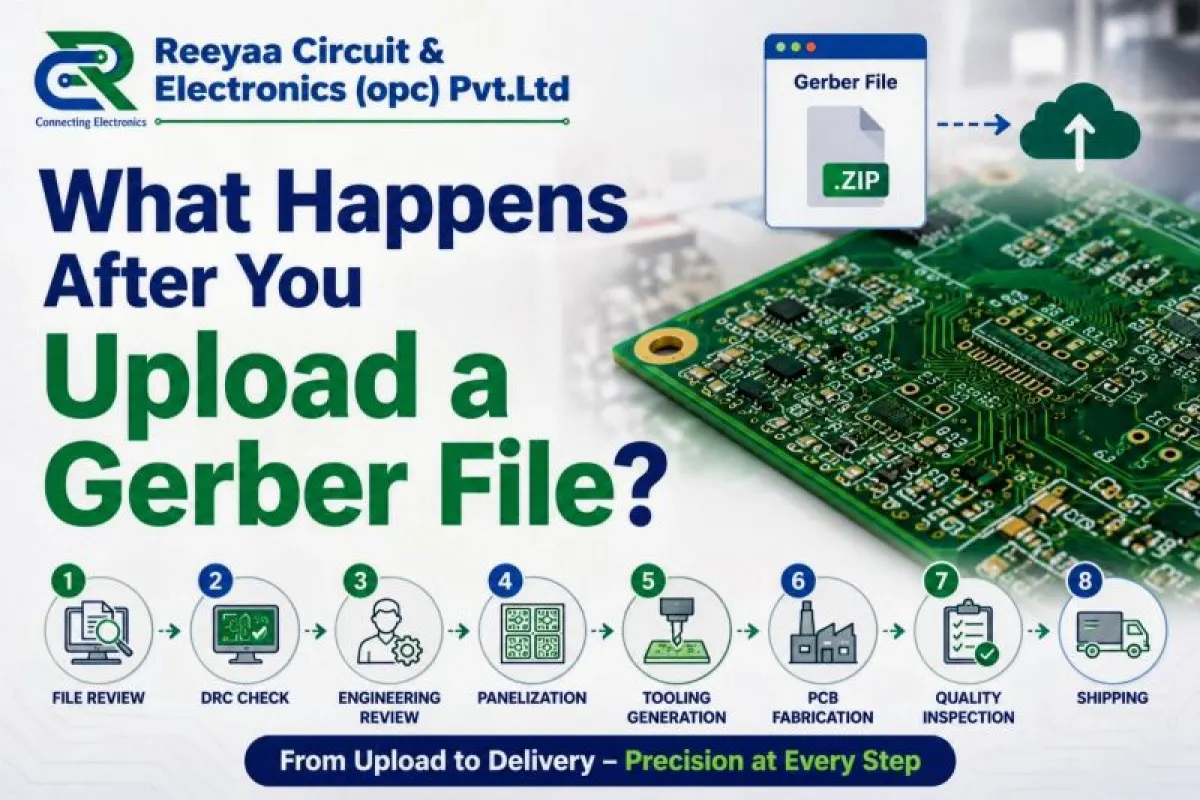
PCB Manufacturing Process: From Gerber Files to Final Delivery
Discover how a PCB moves from Gerber file submission to final delivery. Learn about design rule checks, CAM engineering review, panelization, fabrication, electrical testing, and common causes of production delays.
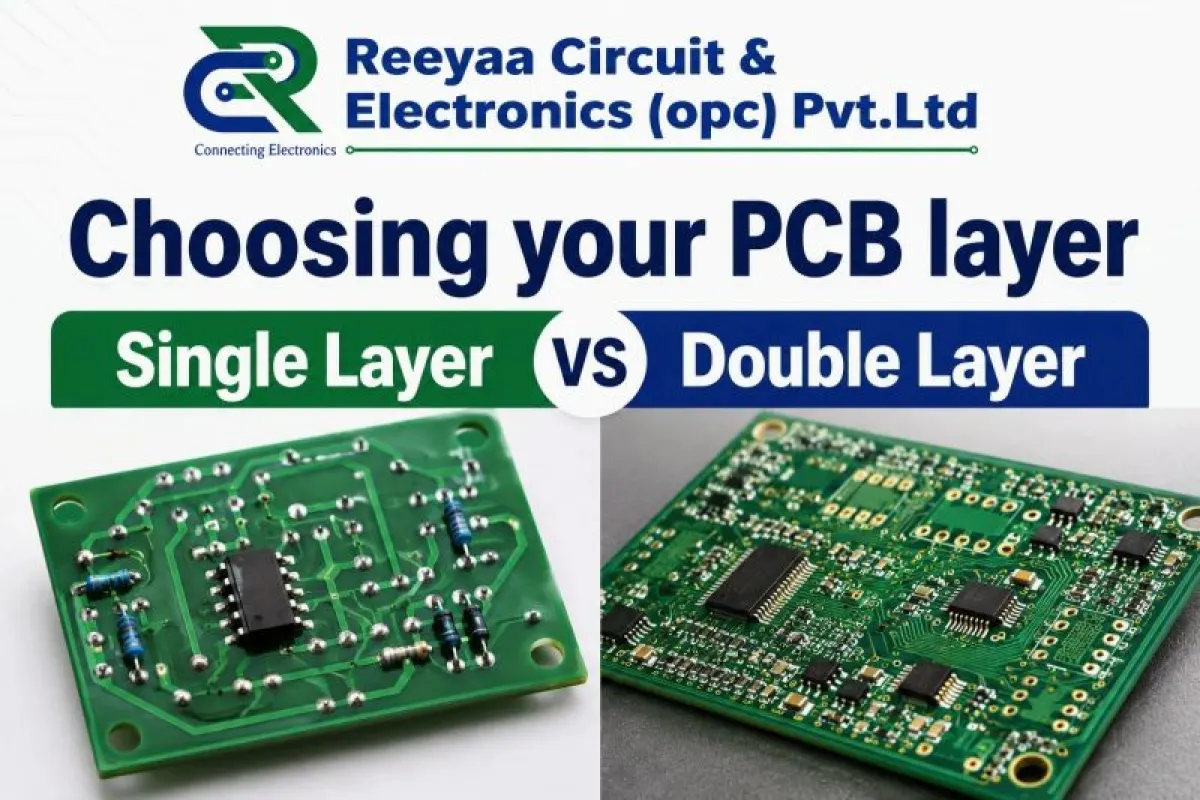
Single Layer vs Double Layer PCB: Which One Should You Choose?
Understand the differences between single-layer and double-layer PCBs, including cost, design complexity, space efficiency, and applications. Discover which PCB type best suits your electronic project.